My Favorite Player Calls Me Mom Svg File Review
As a designer who spends more time than I care to admit staring at stitch paths and fabric grain, I approach every new embroidery file with a mix of curiosity and skepticism. The market is flooded with generic templates, so finding a design that balances emotional resonance with technical viability is rare. That is why I took the My Favorite Player Calls Me Mom Svg File out for a spin before recommending it to my network of craft business owners and hobbyists. This isn’t just about the text; it is about how the design translates from a digital vector into a tangible, high-quality handmade product.
First Impressions: Mood and Visual Personality
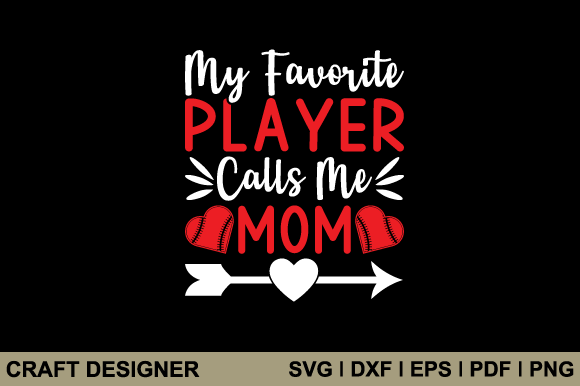
The moment you open the package, which contains a well-organized .zip folder including SVG, DXF, EPS, PDF, and PNG formats, the intent of the design becomes clear. It is not trying to be subtle. The phrase "My Favorite Player Calls Me Mom" carries an immediate sense of pride, warmth, and familial connection. Visually, the layout feels balanced—neither too cluttered nor too sparse. For a designer, this is crucial because it suggests the artist understood the hierarchy of information.
The mood created by this machine embroidery design is celebratory yet intimate. It works beautifully for personalized gifts, capturing the specific joy of supporting a child’s athletic journey. Unlike abstract patterns that rely solely on color, this design relies on typography and sentiment. In my experience, text-based designs are often riskier because poor kerning or awkward line breaks can ruin the aesthetic instantly. Here, the spacing feels intentional, giving the eye room to breathe while maintaining a strong visual anchor.
Real-World Application: From Screen to Stitch
To truly evaluate any digital embroidery file, you have to imagine it on a physical object. I visualized this design in several scenarios to see where it would shine. The most obvious application is custom apparel. Imagine this embroidered on the chest of a soft, heather-grey sweatshirt. The contrast between the thread and the fabric would highlight the message perfectly, making it a standout piece for game day or casual wear. It also translates exceptionally well to a tote bag design, perhaps on a sturdy canvas tote carried to practice sessions.
Beyond apparel, this design has strong potential for home decor and accessories. A small version could look charming on a baby onesie, marking the start of a lifelong fandom. Alternatively, scaling it up for a pillow cover or a kitchen towel adds a personal touch to the home environment. For Etsy sellers and small shop product creators, this versatility is gold. It allows you to offer a cohesive collection—matching hats, aprons, and wall art—that tells a complete story for your customer.
I also considered its use as an embroidered patch. If digitized with a sturdy border, this design could serve as a commemorative item for a team mom or a dedicated parent. The durability of the stitches would hold up well against the wear and tear of active lifestyles, provided the correct stabilizer is used.
Where Caution Is Required
No design is perfect for every surface, and honest review requires pointing out limitations. While the My Favorite Player Calls Me Mom Svg File is robust, there are contexts where it might struggle. On textured fabrics like heavy tweeds or loose weaves, the definition of the letters may soften, losing some of its crispness. Similarly, on stretchy fabrics such as thin jersey knits, the tension of the stitching could cause puckering if not stabilized properly.
Small hoop sizes present another challenge. If you attempt to reduce this design too much, the smaller details—particularly any decorative elements or finer lettering strokes—may become indistinct or merge together. I recommend keeping the design within a standard 4x4 or 5x7 inch frame to preserve clarity. Additionally, dark fabrics require careful thread selection; using light threads without adequate coverage can result in a muddy appearance. Always test color contrast before committing to a full production run.
Technical Performance and Stitch Quality
From a technical standpoint, the inclusion of multiple formats like SVG and DXF is incredibly helpful for designers who need to adjust the design in vector software before importing it into their embroidery machine. However, the true test lies in the digitization itself. When evaluating stitch density, it is vital to ensure the design is not overly dense, which can make the finished product stiff and uncomfortable to wear.
If the design utilizes a combination of satin stitch for outlines and fill stitch for backgrounds, it likely offers a good balance of detail and flexibility. Running stitch accents can add texture but should be checked for stability. For best results, I advise pairing this design with a cut-away stabilizer for garments to prevent distortion over time. For items like tea towels or pillow covers, a tear-away stabilizer might suffice, depending on the fabric weight.
Impact on Brand and Customer Trust
For commercial embroidery projects and craft business owners, the quality of the design directly impacts perceived value. A clean, well-executed finished product builds trust. Customers are willing to pay a premium for items that look professionally made. When a design like this conveys genuine emotion and executes cleanly, it enhances brand consistency. It signals that you care about the details, which encourages repeat purchases and positive reviews.
Furthermore, this design is highly giftable. Whether for a holiday gift, a wedding present for a newlywed couple starting a family, or a birthday surprise, the sentimental value drives engagement. When customers see a design that speaks to their identity, they are more likely to share photos of their purchase on social media, providing free marketing for your handmade product.
Practical Designer Notes Before You Start
Before you upload this file to your machine, follow these practical steps to ensure success:
- Test on Scrap Fabric: Never skip this step. Test the design on the exact fabric you plan to use to check for puckering, thread breakage, or color issues.
- Review Stitch Density: Zoom in on the digitized file if possible. Ensure that dense areas are not overcrowded, which can lead to needle breakage or bulky seams.
- Confirm Hoop Size: Verify that the design dimensions fit comfortably within your machine’s hoop size, leaving enough margin for setup.
- Inspect Small Details: Look closely at any curves or sharp corners. Smooth transitions indicate higher-quality digitization.
- Check Licensing: If you intend to sell finished items, confirm the commercial use rights associated with the My Favorite Player Calls Me Mom Svg File. Different licenses apply to personal use versus resale.
- Use Proper Stabilizer: Match your stabilizer to the fabric weight and stretchiness to maintain shape and integrity.
In conclusion, the My Favorite Player Calls Me Mom Svg File is a versatile, emotionally resonant addition to any designer’s library. Its clean layout and broad applicability make it suitable for everything from custom apparel to personalized gifts. By paying attention to fabric choice, stabilization, and stitch quality, you can create professional-grade products that customers will love. It is a solid choice for anyone looking to add meaningful, high-quality designs to their graphics and crafts inventory.